
The electrical phone problem, and what answers it
Electrical is the trade where the missed-call argument works differently, and anyone selling you the same emergency pitch they use for plumbing has not looked at your call log.
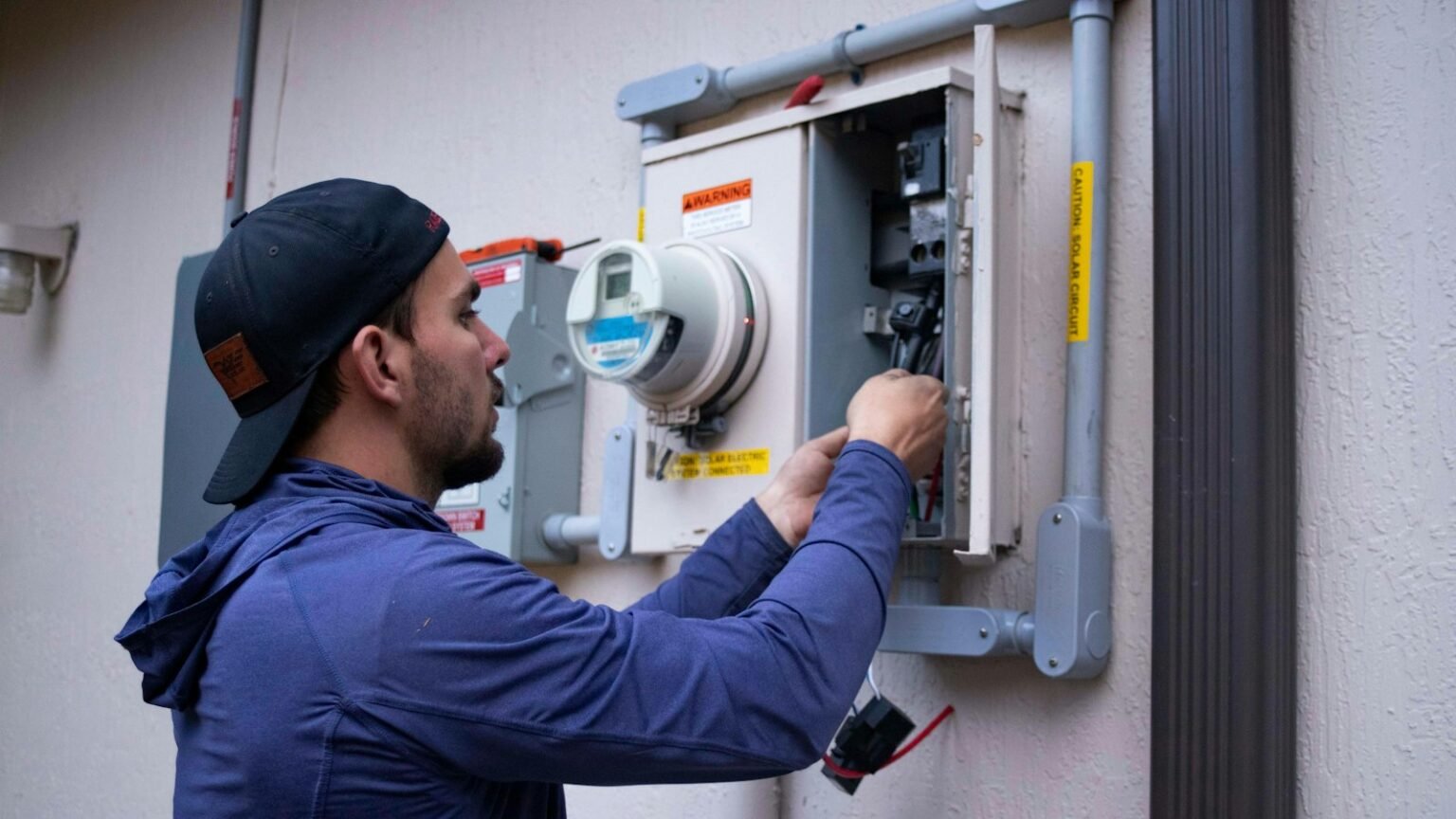
Why is an electrical call not an emergency call?
Because most of them are not. The bulk of inbound electrical work is quote-led: panel upgrades, rewires, EV charger installs, lighting projects, service changes. The caller is not in crisis. They are shopping, and they are calling three or four electricians in an afternoon.
That inverts the whole argument. For plumbing, answering fast prevents damage. For electrical, answering fast wins the bid, because the shop that picks up and gets a site visit in the diary first is the one that gets to quote first, and quoting first is a meaningful advantage in a competitive bid.
True electrical emergencies exist: burning smell, sparking panel, total loss of power, but they are a minority of volume and most callers in that situation ring the utility rather than a contractor. Building your phone strategy around them is optimising for the exception.
The safety stakes on the work itself are real, which is part of why licensing exists: OSHA data identifies electrocution as one of construction’s leading causes of death, with construction work accounting for roughly 40 percent of all electrocution fatalities. That risk sits with whoever does the wiring, not with whoever answers the phone, which is exactly why the two jobs should be split.
Source: OSHA, Construction, Electrical Incidents (checked August 2026).
What actually happens when a quote request goes to voicemail?
It is usually not recovered. A homeowner ringing four electricians about a panel upgrade does not leave four voicemails and wait; they book with whoever answers and cancel the rest of the list. You are not competing on price at that moment; you are competing on availability.
Run your own numbers
Work from your own numbers: take your average quoted job value for the work you actually want: a panel upgrade, a rewire, an EV charger install, and your genuine win rate on quotes you do attend. Multiply by the quote requests that reached voicemail last month. That is your exposure, and for electrical it is usually larger than shops expect because the ticket sizes are high.
What does an electrical intake call need to capture?
More than a name and number. A useful electrical intake establishes whether the job is residential or commercial, whether it needs a permit and inspection, the age and capacity of the existing service, and whether the caller is the homeowner or a contractor working to someone else’s schedule.
Get that wrong and you send a tech to a site visit that could have been qualified out on the phone, or you quote work you cannot legally perform in that jurisdiction. Ansdale captures the intake fields you define, so the person who eventually prices the job opens a complete record rather than a callback request.
Does licensing affect who can take the call?
Most states require electricians to be licensed, and that licence governs who performs and signs off the work, not who answers the phone or books a site visit. The Bureau of Labor Statistics reports a median annual wage of $62,350 for electricians as of May 2024, with employment projected to grow about 9 percent through 2034, faster than the average across occupations.
Faster-than-average growth in a licensed trade means qualified electricians stay scarce and expensive. An electrician sitting in a van returning quote calls between jobs is the most costly possible way to run an intake process, and it is what most small shops do.
About 81,000 openings are projected each year through 2034: strong demand for a scarce, licensed skill set that gets more expensive to waste on phone intake, not less. The safety stakes are also why that skill set is licensed at all: OSHA data shows electrocution among the leading causes of death in construction.
Sources: U.S. Bureau of Labor Statistics, Occupational Outlook Handbook: Electricians · OSHA, Construction, Electrical Incidents (checked August 2026).
| Call type | Sales cycle | What winning depends on |
|---|---|---|
| Panel upgrade / service change | Days to weeks | Being first to quote |
| EV charger install | Days | Fast site visit, clear pricing |
| Rewire / renovation | Weeks | Complete intake, permit awareness |
| Fault call (sparking, burning) | Immediate | Genuine same-day availability |
| Commercial contract work | Weeks to months | Qualification, not speed |
What should I read before deciding?
If you already agree the phone is costing you quote requests and want pricing and the direct comparison against a live answering service, the electrician answering-service page covers that without repeating the quote-led argument above, including the specific intake fields an electrical call actually needs to capture before it reaches whoever prices the job.
electrician answering service · what the AI says and books · estimate request intake · pricing · other trades.
Electrician answering service details, including how estimate requests are captured, are on the electrical answering service page.
What the AI says on an electrical call
What does the AI say when it answers as your company?
It answers in your company’s name, states that the call may be recorded, and states that the caller is speaking with an AI assistant, both before anything else is asked. Those obligations sit with your business rather than your software vendor, so they are composed into the greeting server-side rather than left to a toggle.
How does it handle a call that might be dangerous?
Electrical work has a category most trades do not: the call where the safe advice is to stop using something now. Burning smells, scorch marks around an outlet, a panel that is hot to the touch, sparking; these are not scheduling problems first. They are safety problems that happen to need an appointment afterwards.
The AI asks what the caller is seeing and smelling, applies the rules you set, and where the description crosses your hazard threshold it treats the call as urgent rather than routing it into next week’s diary. Where your rules say a caller should be told to kill a circuit or leave the property and call the utility, that instruction is given before the booking conversation starts.
Those rules are yours to write, and they should be. What counts as an emergency in a domestic rewire is not what counts on a commercial maintenance contract, and no vendor should be deciding that for you.
What about quotes, which are most of the calls?
Most electrical enquiries are not emergencies at all: they are someone wanting a price for a consumer unit, EV charger, extra sockets, outdoor lighting, or an inspection before a sale. None of those can be honestly quoted on the phone, and pretending otherwise creates an argument at the door.
What the call should do instead is capture enough to make the site visit productive: the property type, roughly what the work involves, whether there is existing provision, and any access or parking constraint. Then it books the visit that produces the quote. That is a booked job on your board rather than an enquiry in a voicemail queue.
| Caller says | What the AI does | What you get |
|---|---|---|
| “Burning smell from the socket” | Applies your hazard rule, urgent handling | Urgent job, symptom verbatim, address |
| “Want a price for an EV charger” | Captures property and supply details, books survey | Quote visit with the groundwork done |
| “Half the lights are out” | Establishes scope, books to your rules | Fault-finding visit, correctly sized |
| “Need a certificate for a sale” | Books an inspection slot | Scheduled inspection with a deadline noted |
What does it actually book, and what escalates?
A confirmed slot against your live calendar, synced both ways so a job already on the board cannot be double-booked. The caller ends the call with a window rather than a callback promise.
Anything needing judgement goes to a person: pricing a large job, a compliance question, a dispute, a commercial client negotiating terms. Those escalate to a human, a callback or an urgent flag under rules you set and by hour of day.