
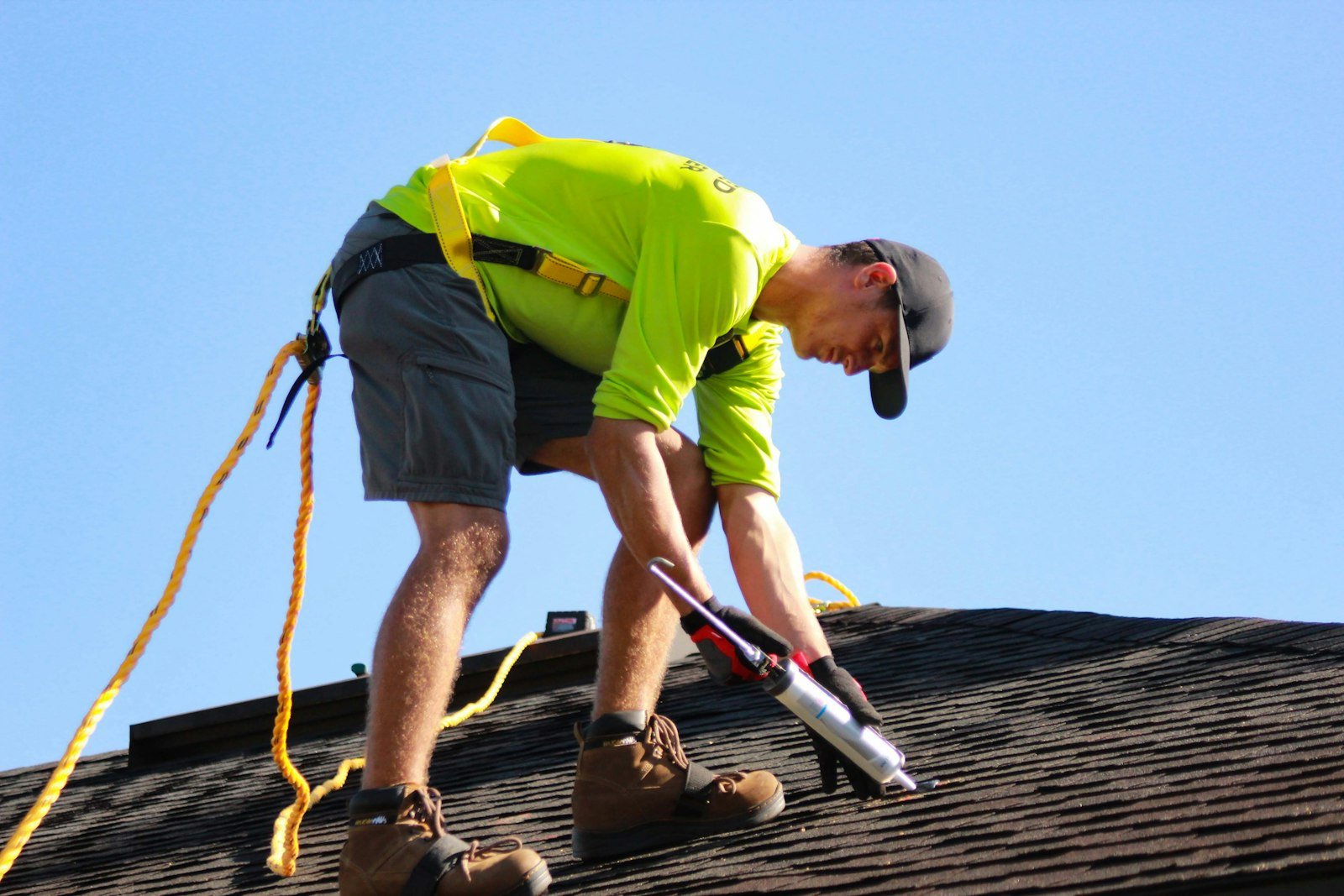
Google Local Services Ads are the listings at the very top of Google when someone searches for a plumber, an electrician or an HVAC company near them, often with a badge and a “call” button. Instead of paying per click like normal Google Ads, you pay per lead. For a lot of contractors they’ve become one of the best sources of work. They’ve also changed a fair bit recently, and much of what’s written about them is out of date.
This guide is for contractors: how Local Services Ads charge, what counts as a lead, how screening works, the move into Google Ads that’s under way, and the setup mistake that quietly wastes money. Everything comes from Google’s own help pages, checked in October 2026.
How do Local Services Ads charge?
You pay per valid lead, not per click or view. You set an average weekly budget, and Google says your spend won’t go over the monthly maximum that budget implies. According to Google, a lead counts as valid if it’s one of these:
- A call you answer, or a call back where you speak to the customer.
- A missed call during your business hours where the caller stays on the line for more than 20 seconds. If you use a phone menu, the 20 seconds start after the caller’s first key press.
- A text or email, or a voicemail left during business hours by a caller who stayed on for more than 20 seconds.
- A booking request through your ad (US and Canada).
Repeat contacts from the same phone number or email within 15 days aren’t charged again.
Why missed calls cost you twice
Read that list again. A call you didn’t answer during business hours can still be a charged lead. So if your phone rings while you’re on a roof, and the caller waits through a few rings and then tries the next company, you may have paid for the lead and lost the job. For businesses spending real money on Local Services Ads, answering every call is the single biggest lever on return.
That’s the case for having something pick up when you can’t. Ansdale, which is ours, is an AI receptionist that answers in your business name, books the job into your calendar and routes urgent calls to you, from $49 a month. Our guide to speed to lead explains why the first few minutes decide who wins a paid lead.
Can you get credit for bad leads?
Google now reviews leads automatically over 30 days and credits ones it judges low quality, duplicate or invalid. Credits usually arrive within 30 days, and the original charge still appears on your invoice with the credit applied. Two changes catch people out: leads for a job type you don’t offer, or from an area you don’t serve, are no longer credited. Set your services and service area carefully. There’s also a “Rate this lead” survey, and Google says it may occasionally credit leads reported through it, but there’s no separate dispute process anymore.
What does screening involve?
Requirements vary by trade and location, but Google’s screening page describes:
- Background checks on the business, owners and field workers, covering criminal and identity checks. Google says these are free and don’t pull credit. HVAC, plumbing and electrical are treated as urgent categories that need background checks on service professionals.
- Insurance, by uploading a certificate that’s valid for at least 14 days after you submit it.
- Licenses, checked against state databases where your trade requires one.
- A verified Google Business Profile.
Google says verification takes three to four weeks on average. If a business is disqualified, it has to wait 30 days to reapply. Note that Google’s newer migration notes (below) say insurance and license re-verification are no longer required for some advertisers, so expect the details to keep shifting.
Which trades are eligible?
Google’s US home services list includes appliance repair, carpenters, electricians, fencing, flooring, garage door, general contractors, handymen, HVAC, house cleaning, junk removal, landscaping, lawn care, locksmiths, movers, painters, pest control, plumbers, pool cleaners and contractors, roofing, siding, snow removal, solar, tree service, water damage and window cleaning, among others.
What’s changing in 2026?
Two big things. First, the old Google Guaranteed and Google Screened badges have been replaced by a single Google Verified badge, and the money-back guarantee that came with Google Guaranteed has ended. Second, Google is moving Local Services Ads into Google Ads, as Performance Max campaigns with pay-per-lead goals. According to Google’s timeline, the first wave of selected US home service advertisers (plumbing, HVAC, electrical, appliance repair, house cleaning, lawn care, roofing, pest control and moving) started moving in August 2026, broader groups follow in late 2026, and the remaining categories and non-US accounts in 2027. Google says pay-per-lead pricing stays, and the ads still only show on Search and Maps.
How do you get more out of Local Services Ads?
- Answer every call, or have something answer for you. Missed calls can still be charged.
- Set accurate business hours. They decide when missed calls and voicemails count as leads.
- Keep your job types and service area tight, since out-of-scope leads are no longer credited.
- Get reviews. Reviews feed into how your ad ranks.
- Respond to messages and booking requests fast. Those are charged leads too.
Questions people ask
How do Google Local Services Ads charge?
Per valid lead, not per click. Valid leads include answered calls, missed calls during business hours where the caller waits more than 20 seconds, texts, emails, qualifying voicemails and booking requests.
Do I pay for missed calls on Local Services Ads?
You can. Google counts a missed call during your business hours as a valid lead if the caller stays on the line for more than 20 seconds.
Can I dispute a bad Local Services Ads lead?
Google now reviews leads automatically and credits ones it judges invalid, usually within 30 days. Leads for job types or areas you don’t serve are no longer credited, and there’s no separate dispute process.
Are Local Services Ads moving to Google Ads?
Yes. Google is moving them into Performance Max campaigns with pay-per-lead goals, starting with selected US home service advertisers in August 2026 and continuing through 2027.
Leave a Reply